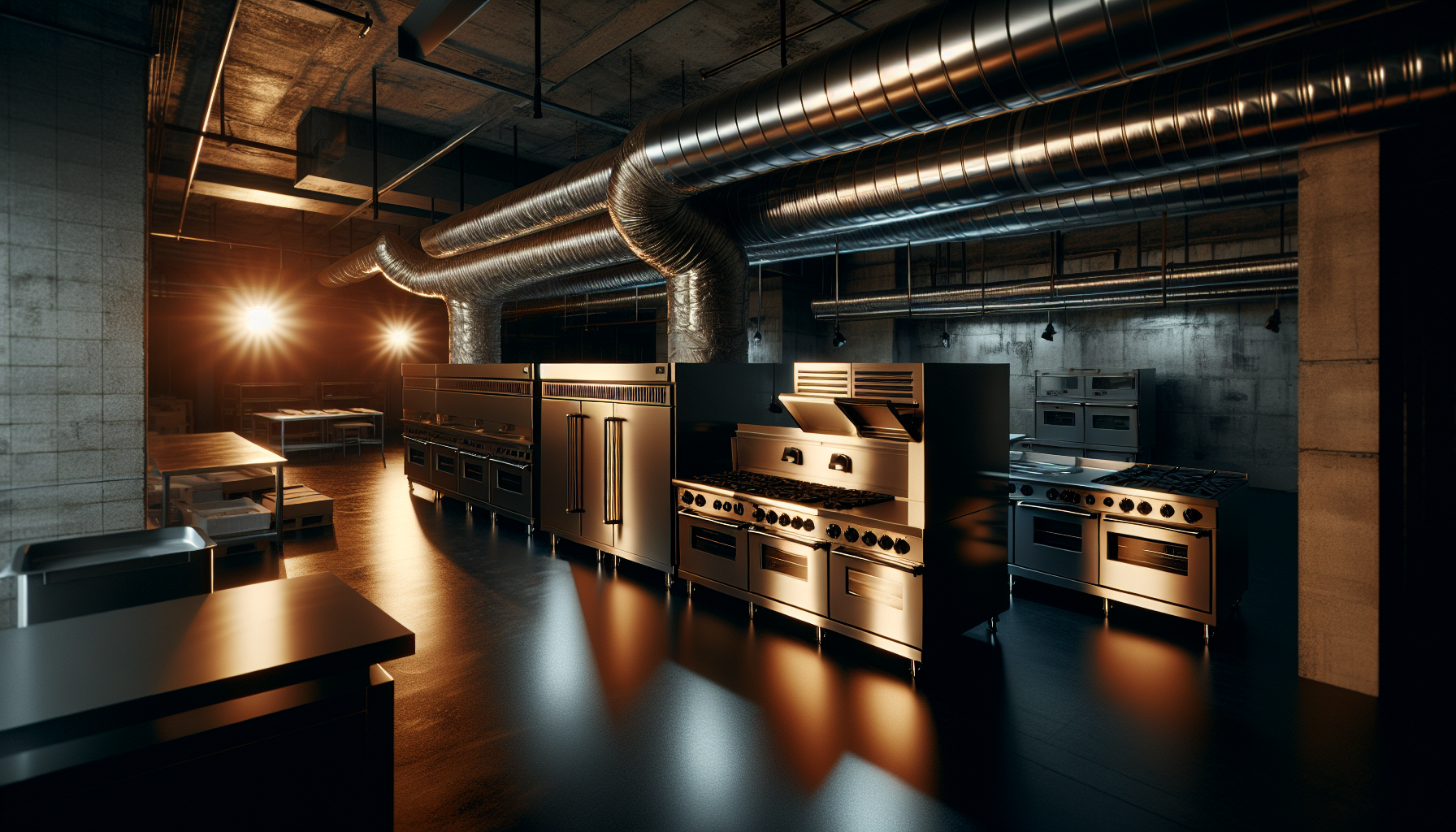
If you’re planning a commercial kitchen installation in DuPage County, you’re about to take on one of the most complex construction projects in the restaurant industry. I’ve built out kitchens across the western Chicago suburbs — from full-service Italian restaurants in Oak Brook to fast-casual spots in Naperville — and I can tell you this: getting the kitchen right is what separates restaurants that thrive from ones that close in year one.
Let me walk you through everything you need to know before breaking ground.
Why Commercial Kitchen Installation in DuPage County Is Different
DuPage County has some of the strictest health and building codes in Illinois. That’s actually a good thing for your customers, but it means you need a contractor who understands the local permitting process inside and out.
Here’s what makes our area unique:
- DuPage County Health Department inspections are thorough — they check everything from grease trap sizing to ventilation CFM ratings
- Municipal building permits vary by city — Naperville, Wheaton, and Elmhurst each have different requirements
- Fire suppression systems must meet both state and local fire marshal standards
- ADA compliance is non-negotiable and often overlooked in kitchen design
I’ve seen restaurant owners try to cut corners on permitting. It never works. One project in Lombard got shut down for three weeks because the owner hired someone who didn’t pull the right mechanical permits. That delay cost them over $15,000 in lost revenue before they even opened.
The Real Cost of a Commercial Kitchen Installation
Let’s talk numbers. In DuPage County, here’s what you’re looking at for a full commercial kitchen buildout in 2026:
- Small fast-casual kitchen (500-800 sq ft): $75,000 – $150,000
- Mid-size full-service kitchen (800-1,500 sq ft): $150,000 – $350,000
- Large or high-end kitchen (1,500+ sq ft): $350,000 – $750,000+
These ranges include equipment, plumbing, electrical, HVAC/ventilation, fire suppression, flooring, wall finishes, and permits. They don’t include dining room buildout — that’s a separate conversation.
The biggest cost drivers I see:
- Hood and ventilation systems — A proper Type I hood with makeup air can run $15,000-$40,000 alone
- Plumbing rough-in — Multiple sinks, grease traps, floor drains, and gas lines add up fast
- Electrical upgrades — Most commercial kitchens need 200-400 amp service, and older DuPage County buildings often need panel upgrades
- Equipment selection — This is where you can save or blow your budget
Commercial Kitchen Equipment: Why I Recommend MEIKO Dishwashers
I install a lot of commercial kitchen equipment, and one thing I always recommend to restaurant owners in the Chicago suburbs is MEIKO dishwashing systems. Here’s why:
MEIKO machines are built for high-volume operations. They use less water, less chemical, and less energy than most competitors. For a restaurant doing 200+ covers a night, that translates to real savings — we’re talking $3,000-$5,000 per year in utility costs.
But here’s the real reason I push MEIKO: reliability. In my experience, these machines just don’t break down. I’ve installed them in restaurants across DuPage County, and the service calls are almost non-existent compared to cheaper brands. When your dishwasher goes down during a Friday dinner rush, you understand why spending more upfront was worth it.
MEIKO offers everything from undercounter units for small operations to full flight-type machines for high-volume venues. I help restaurant owners spec the right unit for their menu volume, kitchen layout, and budget.
The Commercial Kitchen Installation Timeline
Here’s a realistic timeline for a commercial kitchen buildout in DuPage County:
- Week 1-2: Design finalization and permit applications
- Week 3-6: Permit review and approval (DuPage County municipalities can take 3-4 weeks)
- Week 7-8: Demolition and rough-in (plumbing, electrical, gas)
- Week 9-10: Hood installation and HVAC work
- Week 11-12: Fire suppression, finishes (flooring, walls, ceiling)
- Week 13-14: Equipment installation and hookups
- Week 15: Inspections (building, health, fire)
- Week 16: Final punch list and opening prep
That’s about 4 months from permit submission to kitchen-ready. Some projects move faster, some hit delays. Weather doesn’t affect indoor kitchen work much, but material lead times and inspection scheduling can push things out.
I always tell my clients: plan for 5 months and be happy when it comes in at 4.
Key Systems in a Commercial Kitchen Buildout
Ventilation and Exhaust
This is the most critical (and most expensive) system. DuPage County requires proper hood sizing, fire suppression integration, makeup air systems, and rooftop exhaust fans. Skip this or undersize it, and you’ll have grease buildup, smoke issues, and a failed health inspection.
Plumbing and Grease Management
Every commercial kitchen needs a properly sized grease interceptor. DuPage County municipalities are strict about this — Naperville in particular requires documentation of your grease trap size calculations. You’ll also need a three-compartment sink, hand sinks at every station, and proper floor drainage with slope.
Electrical and Gas
Commercial ovens, fryers, and steamers need serious power. We typically run 208V three-phase for larger equipment. Gas lines need to be sized for total BTU load with proper shutoffs and flex connectors.
Mistakes I See Restaurant Owners Make
After building out dozens of commercial kitchens, here are the mistakes that cost restaurant owners the most:
- Designing the kitchen without consulting the chef. Your menu dictates your equipment, your equipment dictates your layout, and your layout dictates your plumbing and electrical. Start with the menu.
- Buying cheap equipment to save money. That $2,000 dishwasher will cost you $5,000 in repairs and downtime within two years. Buy quality from the start.
- Ignoring the walk-in cooler placement. Refrigeration placement affects workflow, electrical load, and HVAC. Plan it early.
- Not budgeting for contingencies. Every commercial kitchen project hits at least one surprise — old plumbing, asbestos, structural issues. Budget 10-15% contingency.
- Hiring a residential contractor. Commercial kitchen work requires specific licensing, insurance, and experience. A great home remodeler can still mess up a restaurant kitchen.
I’ve seen all of these firsthand. On one project in Downers Grove, the owner hired a residential contractor who didn’t understand commercial hood requirements. They had to rip out $12,000 worth of work and start over. That’s money and time you can’t get back.
Why Work with Redeveloped Properties for Your Commercial Kitchen
I’m a licensed general contractor in Illinois with specific experience in commercial construction and buildouts. We’ve completed restaurant projects throughout DuPage County, including the Lucca Osteria renovation in Oak Brook — a full-scale Italian restaurant buildout from shell to open.
I’m also a certified MEIKO dishwasher installer, which means I can spec, supply, and install your dishwashing system as part of the overall kitchen buildout. One contractor, one point of contact, no finger-pointing between trades.
And because I’m also a licensed real estate agent, I can help you evaluate lease terms and buildout allowances before you sign — something most contractors can’t do.
Frequently Asked Questions
How much does a commercial kitchen installation cost in DuPage County?
A full commercial kitchen installation in DuPage County typically ranges from $75,000 for a small fast-casual setup to $350,000+ for a full-service restaurant kitchen. Costs depend on size, equipment quality, existing infrastructure, and local permit requirements.
How long does it take to build out a commercial kitchen in the Chicago suburbs?
Plan for 4-5 months from permit submission to completion. The permitting process in DuPage County municipalities takes 3-4 weeks, followed by 10-12 weeks of construction and equipment installation, plus final inspections.
Do I need a special contractor for commercial kitchen work?
Yes. Commercial kitchen installations require a licensed general contractor with experience in restaurant buildouts. The work involves specialized ventilation, fire suppression, grease management, and health department compliance that residential contractors typically don’t handle.
What brand of commercial dishwasher should I install?
I recommend MEIKO commercial dishwashers for their reliability, energy efficiency, and low maintenance costs. They cost more upfront but save thousands per year in water, chemicals, and service calls. As a certified MEIKO installer in DuPage County, I can help you select the right unit for your operation.
Ready to get started on your commercial kitchen? Call Tim at (630) 634-9462 for a free estimate, or contact us here. We serve all of DuPage County and the greater Chicago suburbs.
Leave a Reply