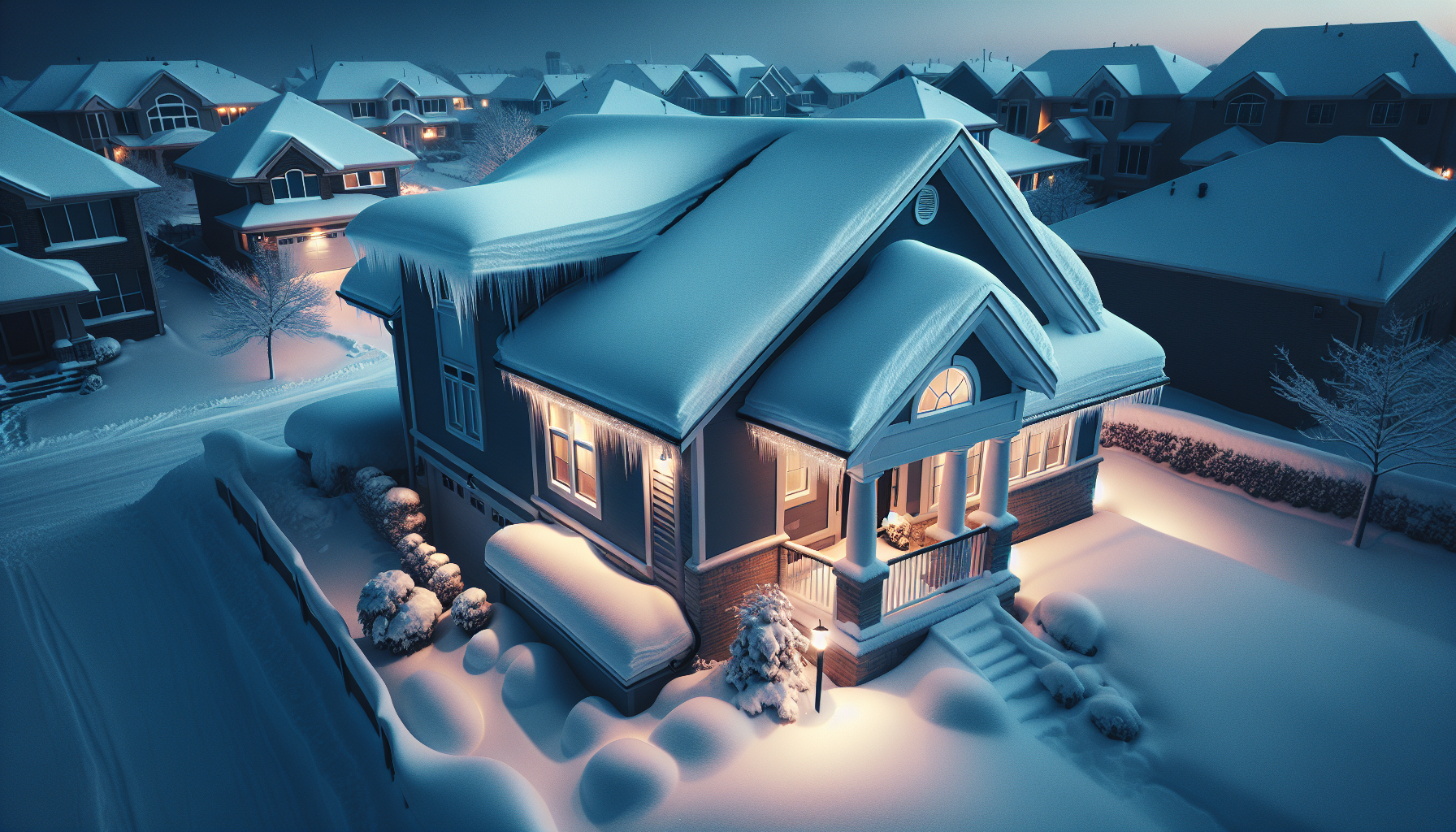
If you own a home in DuPage County, winter is the season that tests your roof the hardest. Between heavy snowfall, freeze-thaw cycles, and ice dams, roof repair in DuPage County spikes every February and March and most of those repairs could have been prevented. I have been a licensed roofing contractor in this area for years, and I see the same avoidable mistakes every winter. This guide breaks down exactly what you need to do to protect your roof and avoid expensive emergency repairs.
Why Winter Roof Repair in DuPage County Is So Common
Our Illinois winters are brutal on roofs. Naperville, Wheaton, Glen Ellyn, Downers Grove it does not matter where in DuPage County you are, the conditions are the same: heavy snow loads, sub-zero temperatures, and constant freeze-thaw cycles that exploit every weak point in your roofing system.
The biggest culprits I see are ice dams, which form when heat escapes through your attic, melts snow on the roof, and then that water refreezes at the eaves. That trapped water has nowhere to go except under your shingles and into your home. I have pulled down ceilings in Elmhurst and Lombard that were destroyed by ice dam leaks the homeowner did not even notice until spring.
The Winter Roof Maintenance Checklist Every Homeowner Needs
Here is the exact process I recommend to every client. Do this before the worst of winter hits, and you will save yourself thousands in potential roof repair costs:
1. Inspect Your Attic Insulation and Ventilation
This is the number one thing. If your attic is not properly insulated and ventilated, warm air rises into the attic space, heats the roof deck, and creates ice dams. You want your attic to be cold as close to the outside temperature as possible.
- Check for gaps around recessed lights, plumbing stacks, and attic hatches
- Ensure soffit vents are not blocked by insulation
- Verify ridge vents or gable vents are clear and functional
- Add insulation if it is below R-49 (the Illinois recommendation for attics)
2. Clean Your Gutters Before the First Freeze
Clogged gutters are ice dam factories. When water cannot drain properly, it backs up, freezes, and creates a dam right at the edge of your roof. I tell my clients in Hinsdale and Oak Brook to clean gutters in late November, and again in January if you have trees nearby. It is the cheapest roof protection you will ever invest in.
3. Remove Snow Buildup Safely
After a major snowfall, use a roof rake to pull snow off the lower 3-4 feet of your roof from the ground. Never climb onto a snow-covered roof. In DuPage County, we get storms that dump 8-12 inches at a time, and that weight adds up fast especially on flat or low-slope sections.
- Roof rakes with telescoping handles let you work from the ground safely
- Focus on the eaves where ice dams form
- If snow accumulation exceeds 12 inches across the whole roof, call a professional
4. Look for Warning Signs of Damage
Walk around your home after every major storm and look for these red flags:
- Icicles forming at the eaves which is a sign of ice damming
- Water stains on interior ceilings or walls indicating an active leak
- Sagging gutters from ice weight pulling them away from the fascia
- Missing or curled shingles from wind damage exposing the underlayment
- Visible daylight in the attic showing gaps that need immediate attention
Ice Dam Prevention: The DuPage County Guide
Ice dams are the number one reason for winter roof repair in DuPage County, and preventing them comes down to one principle: keep your roof cold. Here is what actually works:
Proper attic insulation is your first line of defense. I have seen homes in Wheaton with R-19 insulation in the attic which is barely half of what is recommended. Upgrading to R-49 or higher will pay for itself in both energy savings and avoided roof repairs.
Adequate ventilation ensures any heat that does enter the attic gets pushed out. A balanced system with soffit intake and ridge exhaust is ideal. I have retrofitted ventilation on dozens of homes in Naperville and Downers Grove, and the difference is immediate with no more ice dams the very first winter.
Heat cables are a last resort, not a solution. They can help manage existing ice dam problems, but they are treating the symptom, not the cause. If your contractor suggests heat cables without addressing insulation and ventilation, get a second opinion.
When to Call a Professional for Roof Repair in DuPage County
Some winter roof issues are DIY-manageable. Others absolutely require a licensed contractor. Here is my honest breakdown:
Call a pro immediately if:
- You have an active leak into your living space
- Large sections of shingles are missing or damaged
- Your roof is visibly sagging under snow weight
- Ice dams are more than 6 inches thick at the eaves
- You see water damage in multiple rooms
You can handle it yourself:
- Using a roof rake to remove edge snow buildup
- Cleaning accessible gutters from a ladder carefully
- Adding insulation in the attic if you are handy
- Applying calcium chloride socks to small ice dams
If you are dealing with any of these issues, do not wait. I have worked on homes in Carol Stream and Villa Park where a small February leak turned into a $15,000 ceiling and structural repair by April because the homeowner thought it would just dry out.
How Much Does Emergency Winter Roof Repair Cost in DuPage County?
Here is a realistic cost breakdown based on projects I have completed in the area:
- Emergency tarp or temporary seal: $300-$800
- Ice dam removal professional: $400-$1,200
- Shingle repair small section: $250-$750
- Flashing repair: $200-$500
- Interior water damage repair: $1,000-$5,000 or more
- Full roof replacement if damage is extensive: $8,000-$25,000 or more
The cheapest repair is the one you prevent. Investing $500-$1,000 in proper insulation and gutter maintenance saves you five to ten times that in emergency winter repairs.
Preparing for the Rest of Winter 2026
We are in the thick of it right now. February and March are historically the worst months for storm damage and roof emergencies in DuPage County. If you have not done a winter maintenance check yet, do it this weekend. Walk around the house, check the attic, clean what you can reach safely.
And if you are already seeing problems such as water spots, icicles, or sagging do not wait for spring. The damage only gets worse. A quick inspection now can save you from a major roof replacement later.
If you are looking for a real estate perspective on how roof condition affects home value, check out our friends at Fix-N-List where they can tell you exactly how a well-maintained roof impacts your sale price in this market.
Frequently Asked Questions
How do I know if my roof needs repair after a DuPage County winter storm?
Walk the perimeter of your home and look for missing shingles, sagging gutters, ice buildup at the eaves, and any debris on the ground. Inside, check ceilings and walls for water stains, particularly in upper-floor rooms and the attic. If you see any active water intrusion, call a licensed contractor immediately because waiting makes it worse.
Can I remove ice dams myself in DuPage County?
Small ice dams can be managed with calcium chloride socks by filling a nylon stocking with calcium chloride and laying it perpendicular across the dam. Never use rock salt because it damages shingles. For large or thick ice dams, hire a professional with steamer equipment. Do not hack at ice with tools because you will damage the roofing material underneath.
How much does ice dam removal cost in DuPage County?
Professional ice dam removal in DuPage County typically costs $400-$1,200 depending on roof accessibility and dam severity. Most contractors use low-pressure steam to safely melt the ice without damaging shingles. If interior water damage has already occurred, remediation costs can add $1,000-$5,000 or more.
What is the best way to prevent ice dams on my Illinois home?
The best prevention is a properly insulated and ventilated attic. Upgrade to at least R-49 insulation, ensure soffit and ridge vents are clear, and seal any air leaks from the living space into the attic. This keeps the roof deck cold so snow does not melt and refreeze at the eaves. It is a one-time investment that eliminates the problem permanently.
Should I file an insurance claim for winter roof damage in Illinois?
If the damage was caused by a sudden weather event such as wind, hail, or a falling tree then yes because most homeowner policies cover storm damage. Ice dam damage is trickier because some policies cover it while others consider it a maintenance issue. Document everything with photos before making repairs, and contact your insurance company before hiring a contractor.
Ready to get started? Call Tim at (630) 634-9462 for a free estimate, or contact us here. We serve all of DuPage County and the greater Chicago suburbs.
Leave a Reply